
Lighting is a crucial element in interior design, as it has a profound impact on the aesthetics, functionality, and ambiance of a space. Properly designed lighting can transform a room from dull and uninspiring to inviting and dynamic.
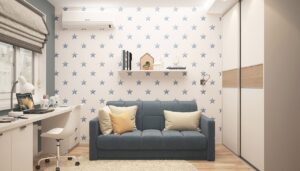
Here’s an exploration of the impact of lighting on interior design:
- Mood and Ambiance:
- Warm vs. Cool Lighting: The color temperature of light can set the mood. Warm lighting (e.g., incandescent or warm-white LED bulbs) creates a cozy and intimate atmosphere, while cool lighting (e.g., daylight or cool-white LED bulbs) provides a more energetic and modern feel.
- Dimmers: Installing dimmer switches allows you to adjust the brightness and create different moods for different occasions.
- Highlighting Architectural Features:
- Lighting can accentuate architectural details such as exposed beams, crown molding, or textured walls, adding depth and interest to a room.
- Focal Points:
- By using focused lighting, such as spotlights or pendant lights, you can draw attention to specific design elements, like artwork, sculptures, or a unique piece of furniture.
- Room Size and Perception:
- Well-distributed lighting can make a small room appear more spacious, while poorly placed or harsh lighting can have the opposite effect. Layered lighting (ambient, task, and accent) can make a room feel more open and functional.
- Functionality:
- Proper task lighting, such as under-cabinet lights in the kitchen or reading lamps in the living room, ensures that spaces are not only visually appealing but also functional for their intended purposes.
- Color and Texture:
- Different light sources can affect how colors and textures appear. For example, warm light can enhance the warmth of wood textures, while cool light can emphasize cooler tones and metallic surfaces.
- Energy Efficiency and Sustainability:
- Choosing energy-efficient lighting options, like LED bulbs, is not only environmentally friendly but also cost-effective. Smart lighting systems with programmable controls can further optimize energy usage.
- Adaptability:
- Being able to adapt lighting to different activities or times of day is essential. Natural light, for example, can be maximized during the day, while artificial lighting can take over during the evening.
- Aesthetic Lighting Fixtures:
- Lighting fixtures themselves contribute to the overall design aesthetic. Chandeliers, sconces, pendants, and lamps are not just sources of light; they are decorative elements that can complement or contrast with the room’s style.
- Safety and Comfort:
- Adequate lighting in staircases, hallways, and bathrooms is essential for safety. Soft, well-distributed lighting in bedrooms and living spaces contributes to comfort and relaxation.
Lighting is a fundamental aspect of interior design that should not be overlooked. The strategic use of lighting can transform the look and feel of a space, create specific atmospheres, and improve functionality. It’s essential to consider lighting design alongside other elements like furniture, color, and layout when designing an interior to achieve a harmonious and visually appealing result.